

Eating Disorder Recovery Blog
Clear, practical insights on eating disorders and recovery.
FIND WHAT YOU NEED

Eating Struggles That Don’t Fit a Diagnosis
You don’t need a diagnosis to struggle with food. This article explores common eating patterns that fall outside formal categories and how they can be effectively treated.

All About ARFID: Beyond Picky Eating
ARFID is more than picky eating. This guide explains what drives food avoidance and how targeted treatments help both adults and children expand their eating and reduce fear.

Binge Eating Disorder: What It Is, Why It Happens, and How It Is Treated
Binge eating disorder is more than overeating. This guide explains why it happens, what keeps it going, and the evidence-based treatments that support real change.

Understanding Bulimia Nervosa: Causes, Patterns, and Effective Treatment
Bulimia is more than a cycle of bingeing and purging. This guide explains how the disorder works and the evidence-based treatments that help interrupt the cycle and support recovery.

Understanding Anorexia Nervosa: Causes, Impact, and Evidence-Based Treatment
Anorexia is not just about control or body image. This guide explains how the illness works, why it becomes so powerful, and the evidence-based treatments that support recovery across different stages of life.

What Most People Don’t Understand About Anorexia
Most people think anorexia is about control or coping. Those things matter, but they are not what makes the illness so powerful. This piece looks at what actually happens in the body and brain when someone becomes undernourished, and why restoring nutrition is not just important, but essential.

Family-Based Treatment Guide
A practical guide to a treatment that puts parents at the center of their child’s recovery. Learn how to help your child restore eating and return to normal development.

Cognitive Behavioral Therapy for Eating Disorders (CBT-E): A Targeted Approach to Recovery
A structured, evidence based treatment that targets the thoughts and behaviors driving eating disorders. Learn how we support lasting recovery.

Understanding ARFID in Children
A parent focused guide to ARFID, explaining avoidant eating and how treatment builds flexibility. Learn how to support your child in expanding variety and confidence with food.
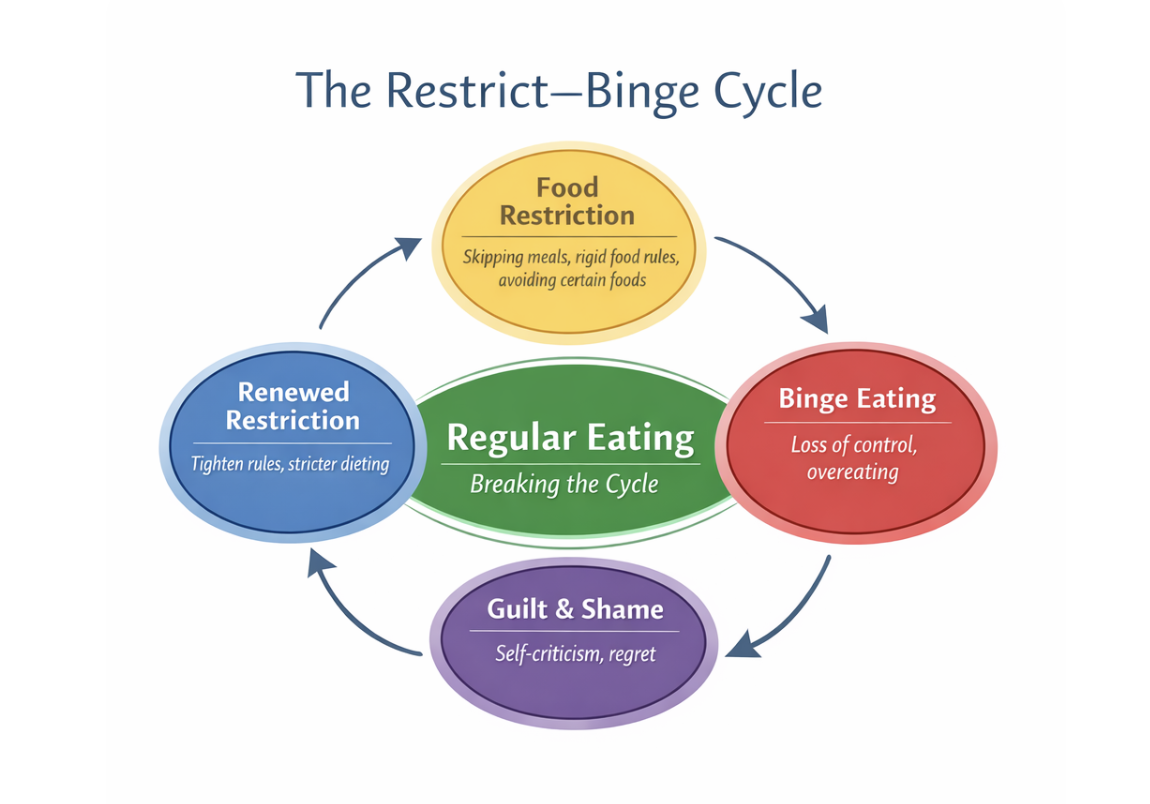
Food Restriction and Binge Eating: Breaking the Cycle
Many people who struggle with binge eating find themselves caught in a frustrating cycle of trying to restrict food, only to later feel out of control around eating. This pattern, known as the restrict–binge cycle, is a common and well understood process in eating disorders. When the body is deprived through dieting, skipped meals, or rigid food rules, biological and psychological pressures build that make binge eating more likely. Understanding how this cycle works is an important step toward breaking it and rebuilding a more stable relationship with food.

The Silent Cycle of Bulimia Nervosa
Bulimia nervosa is often overlooked not because it is mild, but because it is profoundly secretive. Sustained by shame and reinforced by short term emotional relief, the binge purge cycle can persist for years in individuals who appear stable and high functioning. In this Psychology Today article, I examine why bulimia hides so effectively and how treatment interrupts both the behavior and the silence that maintains it.

CBT-E for Teens: A Parent’s Guide
Enhanced Cognitive Behavioral Therapy, or CBT-E, is the gold standard evidence based treatment for eating disorders in teens and adults. This structured approach has been adapted for adolescents to address school demands, family involvement, and limited independence around food. CBT-E helps teens stabilize eating, reduce eating disorder behaviors, and build healthier relationships with food and body.
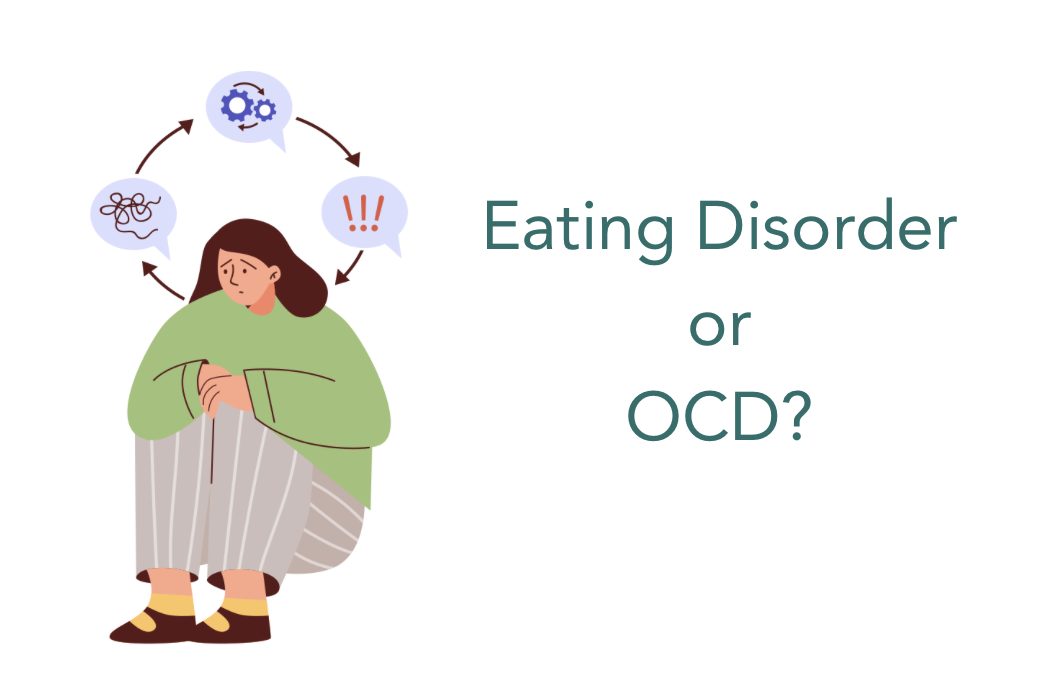
Eating disorder or OCD? Understanding the distinction
Eating disorders and OCD can look similar but are driven by different fears. Learn how to tell the difference and why accurate diagnosis matters.
Why Restriction Leads to Binge Eating (and Why It’s Not a Lack of Willpower)
Many people who struggle with binge eating describe feeling addicted to food or out of control around eating. What’s often missed is that binge eating is a very common biological response to deprivation, not a personal failure or true addiction.

CBT-E for Teens: What Parents Need to Know
Learn how CBT-E supports teens recovering from eating disorders. This parent-friendly guide explains the structure, goals, and key components of CBT-E, including how parents can help create the consistency teens need to get better.

The Hidden Ways Diet Culture Sneaks Into Parenting
Even well-intentioned parents can feel unsure about how to talk about food and bodies. Here are simple ways to reduce diet-culture noise at home and support a more relaxed relationship with eating.

Fighting For, Not Against, Your Teen in Eating Disorder Recovery
When a teen develops an eating disorder, the rules of parenting seem to flip. Parents may fear being too controlling, yet stepping in with calm strength, structure, and compassion can be the very thing that helps their teen recover and feel safe again.

When does “healthy” turn into harmful?
It’s not always easy to tell when healthy habits cross the line into harmful patterns. Learn the key differences between disordered eating and eating disorders, why both matter, and how to know when it’s time to get help.

Why Weight Restoration Comes First in ARFID Treatment
Weight restoration is the first step in ARFID treatment. Learn why nutrition must come before food variety to support recovery, growth, and brain health.

Intuitive Eating and Eating Disorders: Why They Don’t Mix (At First)
Intuitive eating sounds simple—listen to your body and eat what feels right—but for those with eating disorders, it often isn’t possible. Restriction, bingeing, and food-related anxiety disrupt hunger and fullness cues, making intuition unreliable. Recovery requires structure and consistency first, so the body can reset and genuine intuitive eating becomes achievable.