


FIND WHAT YOU NEED

Here’s a tip: DBT Distress Tolerance Skill
In moments of emotional crisis, finding effective coping strategies is essential. Dialectical Behavior Therapy (DBT) offers valuable tools through its Distress Tolerance module, particularly the TIP skills: Temperature, Intense Exercise, Paced Breathing, and Progressive Relaxation. These techniques empower you to manage overwhelming emotions by shifting your physiological state, allowing you to regain control and avoid unhealthy coping mechanisms. By integrating these skills into your daily life, you can cultivate resilience and navigate challenges with greater confidence and clarity.

Why Does Not Eating Feel Good to Someone With Anorexia?
For someone with anorexia, hunger and restriction can sometimes feel calming while eating produces intense anxiety. Understanding the brain processes involved can help explain why anorexia is so difficult to overcome.
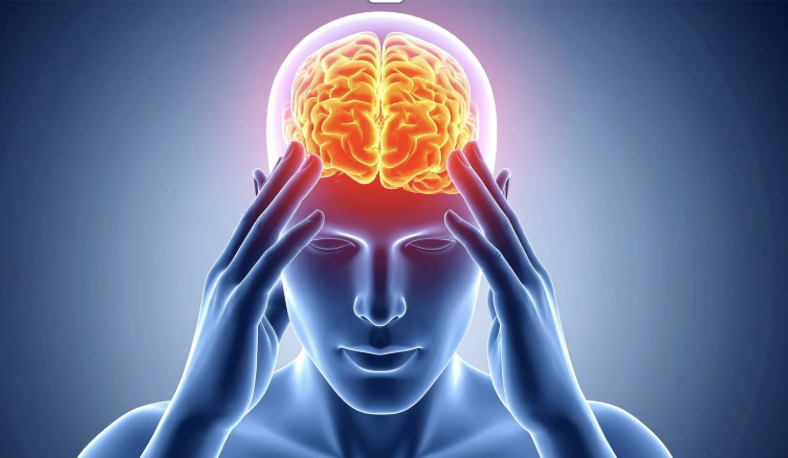
How Brain Imaging Is Changing Our Understanding of Eating Disorders
New brain imaging research is helping clinicians understand why eating disorders can be so persistent. Learn how differences in reward processing may contribute to anorexia and bulimia and what these findings mean for treatment.
CP Research Corner: Therapeutic Alliance and Treatment Outcome
While therapeutic alliance is an important factor in favorable outcomes, the effects of it relative to early change remains undefined.
2017-2018 Outcomes in Review
Our data demonstrates continued improvement in our outcomes, solidifying our position among the best outpatient centers in the country.
Outcomes-Informed Care
Outcomes-Informed Care (also called Feedback-Informed Treatment) is an ongoing process of treatment review between client and clinician.
Technology for Eating Disorders: The Major Players
Various researchers and clinical teams have worked to evaluate the efficacy and efficiency of technology for eating disorders and treatments.
Genetic Mutations and Eating Disordered Behaviors
Sociocultural, family, biological, and environmental factors as well as genetic mutations impact the development of an eating disorder.
CP Research Corner: A Content Analysis of "Pro-Ana" Websites
A recent study examined the content in fitspiration, thinspiration, and bonespiration on social media outlets and "pro-ana" websites.