
How Brain Imaging Is Changing Our Understanding of Eating Disorders
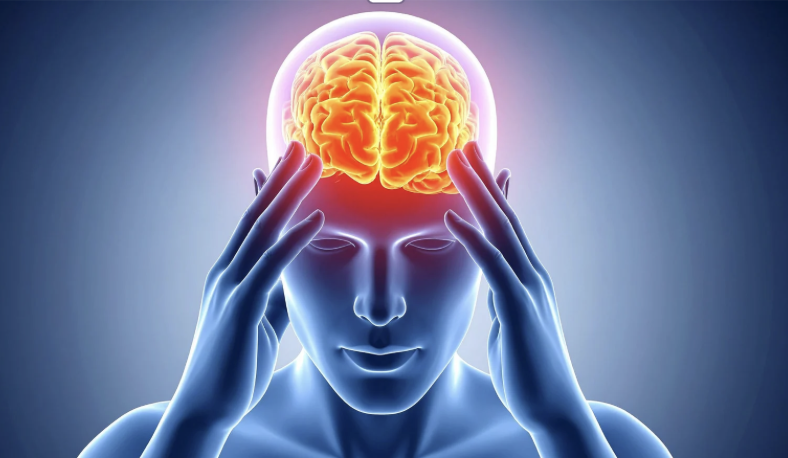
Learn about how brain imaging is influencing eating disorder treatment
For decades, eating disorders were often misunderstood as problems of willpower, vanity, or personal choice. Advances in brain imaging research have helped challenge these misconceptions by showing that eating disorders are associated with measurable differences in how the brain processes reward, motivation, hunger, and satiety.
Researchers such as Dr. Walter Kaye and his colleagues at the University of California San Diego have been at the forefront of this work. Their studies suggest that the brains of individuals with anorexia nervosa and bulimia nervosa may respond differently to food-related rewards than those of people without eating disorders. These findings are helping clinicians better understand why eating disorders can be so persistent and difficult to overcome.
How the Brain Processes Reward
One area of interest is the brain's reward system. Reward pathways help determine which experiences feel motivating, pleasurable, or worth repeating. For most people, eating when hungry activates these systems and reinforces continued nourishment.
Research suggests that this process may function differently in individuals with eating disorders.
In anorexia nervosa, studies have found that food may produce a weaker reward response than expected. Some individuals with anorexia appear less motivated by food and may even experience anxiety rather than pleasure when eating. This may help explain why someone with anorexia can continue restricting food despite significant hunger, weight loss, and medical consequences.
In bulimia nervosa, the pattern may be different. Research suggests that food-related rewards may remain highly salient even after physiological needs have been met. In some individuals, signals that typically reduce the rewarding value of food after eating may not function as effectively, potentially contributing to binge eating episodes.
Importantly, these findings do not mean that eating disorders are caused solely by brain differences. Eating disorders are complex illnesses influenced by biological, psychological, social, and environmental factors. Brain imaging research simply offers another piece of the puzzle.
Why This Research Matters
Brain imaging studies are helping move the conversation away from blame and toward understanding.
When patients and families learn that eating disorders involve alterations in brain function, many experience a sense of relief. Symptoms that once appeared confusing or irrational begin to make more sense. Restricting food, binge eating, or becoming intensely preoccupied with weight and shape are not signs of weakness. Rather, they are symptoms of a serious psychiatric illness involving both the brain and the body.
This growing understanding may also help reduce stigma. Eating disorders affect people of all ages, genders, body sizes, and backgrounds. They are not lifestyle choices, nor are they simply attempts to lose weight.
What Does This Mean for Treatment?
While brain imaging is not currently used as a routine diagnostic tool for eating disorders, these findings can still inform treatment.
Many clinicians incorporate biological education into therapy to help patients and families better understand the illness. Knowing that certain eating disorder behaviors may be reinforced by underlying brain mechanisms can help reduce shame and increase motivation for recovery.
At the same time, brain research reinforces an important treatment principle: recovery often requires acting against what feels natural or rewarding in the moment. Because eating disorder symptoms may be supported by powerful biological processes, successful treatment typically involves structured interventions, nutritional rehabilitation, and evidence-based psychotherapy.
Looking Ahead
Researchers continue to investigate how brain function changes during recovery and whether these discoveries can lead to new treatment approaches. While many questions remain unanswered, one thing is increasingly clear: eating disorders are complex brain-based illnesses, not character flaws.
As our understanding of the neuroscience of eating disorders grows, so too does our ability to provide compassionate, effective, and evidence-based care.
