


FIND WHAT YOU NEED

DBT Skill for Emotion Regulation: Mastering the “Please” Skill
The blog discusses the PLEASE skill from Dialectical Behavior Therapy (DBT), highlighting its role in emotional regulation by addressing essential areas of self-care: physical health, loneliness, nutrition, avoidance, substance use, and exercise. By attending to these components, individuals can enhance their emotional well-being and reduce impulsive behaviors.

What You Need to Know About Urge Surfing
Urge surfing is a mindfulness technique used to get through an urge without engaging in destructive behavior. Learn how to "ride the wave."

Using DBT to Combat SELF Harm and Suicidal thoughts in eating disorder Treatment
DBT-ED is a powerful method for addressing self harm and suicidal thoughts in eating disorder treatment.
Eating Disorders, Suicidal Thoughts, and Self-Harm
With International Survivors of Suicide Loss Day on the horizon, it’s important to recognize that suicide attempts, suicidal thoughts, and self-harm can be significant challenges for people dealing with eating disorders.
DBT 101: PLEASE MASTER
Learn a powerful skill to help you manage big emotions. We have a formula to make it easier. PLEASE.

Why Does Not Eating Feel Good to Someone With Anorexia?
For someone with anorexia, hunger and restriction can sometimes feel calming while eating produces intense anxiety. Understanding the brain processes involved can help explain why anorexia is so difficult to overcome.
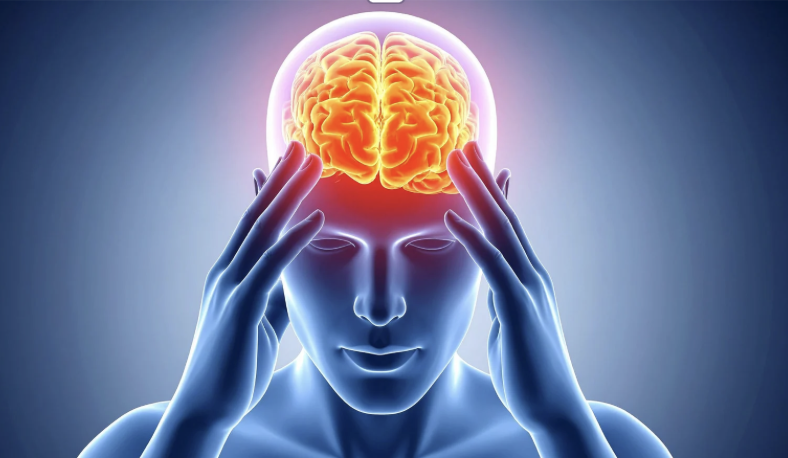
How Brain Imaging Is Changing Our Understanding of Eating Disorders
New brain imaging research is helping clinicians understand why eating disorders can be so persistent. Learn how differences in reward processing may contribute to anorexia and bulimia and what these findings mean for treatment.