


FIND WHAT YOU NEED
DBT 101: PLEASE MASTER
Learn a powerful skill to help you manage big emotions. We have a formula to make it easier. PLEASE.

Here’s a tip: DBT Distress Tolerance Skill
In moments of emotional crisis, finding effective coping strategies is essential. Dialectical Behavior Therapy (DBT) offers valuable tools through its Distress Tolerance module, particularly the TIP skills: Temperature, Intense Exercise, Paced Breathing, and Progressive Relaxation. These techniques empower you to manage overwhelming emotions by shifting your physiological state, allowing you to regain control and avoid unhealthy coping mechanisms. By integrating these skills into your daily life, you can cultivate resilience and navigate challenges with greater confidence and clarity.
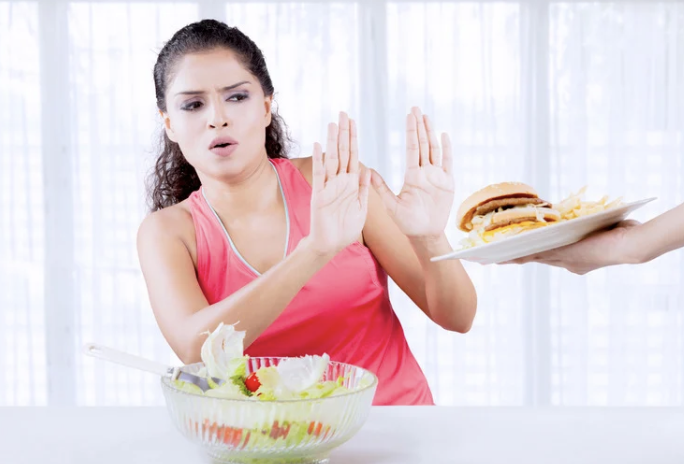
Why Does Not Eating Feel Good to Someone With Anorexia?
For someone with anorexia, hunger and restriction can sometimes feel calming while eating produces intense anxiety. Understanding the brain processes involved can help explain why anorexia is so difficult to overcome.

Is My Teen Developing Anorexia? Four Things Every Parent Should Know
Anorexia often begins with what appears to be harmless dieting or a desire to "eat healthier." Over time, food rules multiply, weight drops, and families find themselves facing a serious illness. If you suspect your teenager may be developing anorexia, knowing what to do next can make a profound difference. While parents often feel pressure to understand why the eating disorder developed, the more urgent task is restoring nutrition and interrupting the illness. Here are four important principles every parent should understand when anorexia enters the picture.
Habit Formation and Eating Disorders: The Sooner, The Better
The sooner, the better. My headline after reading an article in the New York Times, “Anorexia May Be Habit, Not Willpower, Study Finds.”
Signs of Anorexia in Teens
If you are concerned that an adolescent you know might have anorexia, here are the most common signs of anorexia in teens that we see.