
Is It Body Dysmorphia?
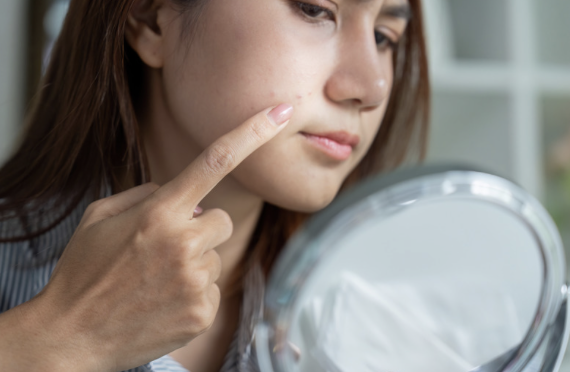
“Body dysmorphia” has become a popular way of describing almost any significant dissatisfaction with appearance. People use the term to describe feeling self conscious about their bodies, struggling with weight or shape, comparing themselves unfavorably to others, or even feeling that they cannot accurately see what their bodies look like.
These experiences can be very real and very distressing. But they are not necessarily body dysmorphic disorder, or BDD.
BDD is not another term for poor body image. It is a specific psychiatric disorder that is different from the body image concerns many people experience and from the body image disturbance commonly associated with eating disorders.
The distinction is particularly important in the eating disorder field, where body dissatisfaction, body image disturbance, and BDD are sometimes treated as though they are the same thing.
What Is Body Dysmorphic Disorder?
BDD is characterized by an intense preoccupation with one or more perceived defects in appearance. The perceived flaw is either not observable to other people or appears relatively minor. To the person with BDD, however, it can feel glaring, unacceptable, or even disfiguring.
The preoccupation also leads to repetitive behaviors or mental acts. A person might repeatedly check a mirror, avoid mirrors, compare a particular feature with other people's, seek reassurance, excessively groom, camouflage the perceived flaw, examine photographs, or continually research ways to change it.
BDD is classified as an obsessive compulsive and related disorder, which is helpful in understanding what is actually going on. The problem is not simply that someone really dislikes an aspect of their appearance. They become preoccupied with a perceived defect and engage in repetitive behaviors in an effort to reduce the distress associated with it.
BDD Is Often Not About Weight
The word “body” in body dysmorphic disorder can itself be misleading.
People sometimes assume BDD means looking in the mirror and believing your body is larger than it actually is. In fact, BDD frequently focuses on specific aspects of appearance, including the skin, hair, nose, teeth, jaw, or other individual features.
A person might become convinced that their nose is enormous, their skin is horribly scarred, their hair is noticeably thinning, or their face is visibly asymmetrical. Other people may barely notice the feature in question.
Reassurance usually does not resolve the concern. It can actually become part of the problem. A person may ask repeatedly whether the feature looks abnormal, feel better briefly, then begin doubting the reassurance and start checking or asking again.
Eating Disorder Body Image Disturbance Is Different
This distinction becomes especially important when we talk about eating disorders.
A person with anorexia nervosa may experience intense distress about their body, scrutinize particular body areas, repeatedly check their shape, fear weight gain, or place enormous importance on weight and shape when evaluating themselves.
That does not necessarily mean they have BDD.
In eating disorders, body image concerns are typically part of a larger pattern involving eating, weight, shape, and efforts to control weight or shape. Restriction, binge eating, purging, compulsive exercise, weighing, and body checking may all be part of that pattern.
BDD has a different formulation. The central problem is the preoccupation with a perceived appearance defect and the repetitive behaviors or mental rituals that develop around it.
Of course, the two can overlap. A person can have both an eating disorder and BDD. But they are distinct problems, and recognizing the difference matters for treatment.
Body Image in an Appearance Focused Culture
We also need to distinguish BDD from the very real effects of living in a culture that places tremendous value on appearance.
Some environments magnify that pressure. Actors, dancers, models, athletes, influencers, and others may have their bodies evaluated repeatedly and sometimes publicly. Social media has also created almost endless opportunities to compare our appearance with other people's.
That can absolutely affect body image. It can contribute to dissatisfaction, reinforce dieting and disordered eating, and make appearance increasingly important to how someone evaluates themselves.
But that is not, by itself, BDD.
Someone can internalize a cultural ideal, believe they do not measure up to it, and feel terrible about their body as a result. With BDD, the pattern is different. The person becomes consumed with a perceived physical defect and caught in repeated attempts to inspect it, hide it, correct it, compare it, or get reassurance about it.
Understanding BDD as an obsessive compulsive related disorder helps make sense of this difference.
Getting the Language Right
Using “body dysmorphia” as shorthand for feeling terrible about your appearance may seem harmless, but the distinction matters because these problems are treated differently.
For someone struggling with poor body image, treatment might involve examining beliefs about appearance and reducing the importance placed on appearance in overall self evaluation.
Eating disorder treatment needs to address the eating disorder itself, including behaviors such as restriction, binge eating, purging, or compulsive exercise and the overvaluation of weight and shape. When someone is undernourished, nutritional rehabilitation may also be essential to improving cognitive and body image symptoms.
Treatment for BDD specifically targets the obsessive preoccupation with appearance and the behaviors that keep the cycle going, often using cognitive behavioral treatment that includes exposure and response prevention.
There is no need to call every painful experience with appearance “body dysmorphia” in order to take it seriously.
Poor body image can cause tremendous distress. So can living in an environment where appearance is constantly scrutinized. Eating disorders can profoundly distort someone's relationship with their body.
BDD is another, distinct problem. Being more precise about the language helps us better understand what someone is actually experiencing and, ultimately, what kind of help is most likely to be useful.
